2024 現代膠合板的生產技術-2024 Modern plywood production technology
現代膠合板的生產技術在近年來有了顯著進步,提升了生產效率、材料品質和環保標準。以下是一些最新的技術發展和趨勢:
1. 數位化與自動化技術
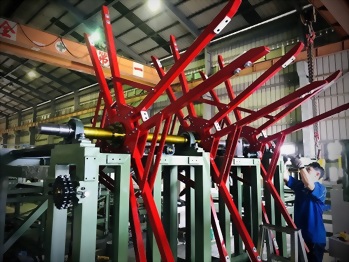
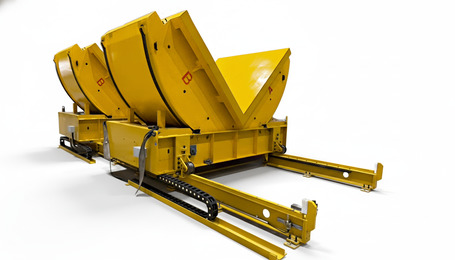
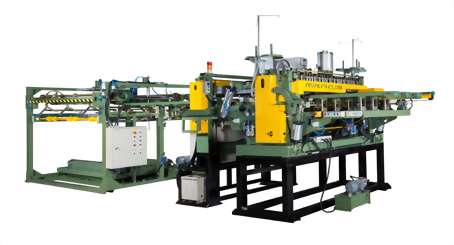
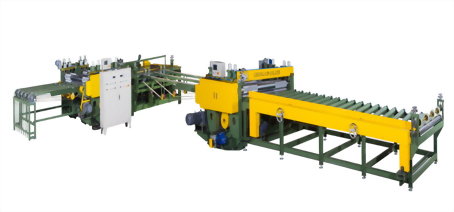
• 自動化生產線:現代膠合板工廠通常採用全自動化系統,從原木處理到成品檢驗,各階段均由機器和機器人操作,減少了人力需求,提升了生產速度和一致性。
• 數位監控系統:通過物聯網(IoT)和工業4.0技術,工廠可以實時監控生產過程,分析設備運行數據,以即時調整生產參數,提高產能並減少浪費。
2. 精密切割與層壓技術
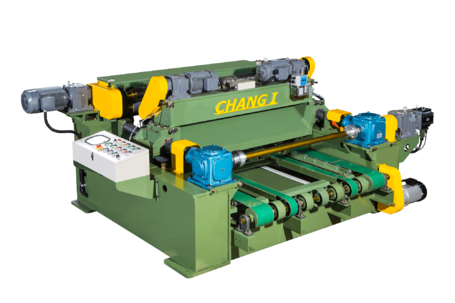
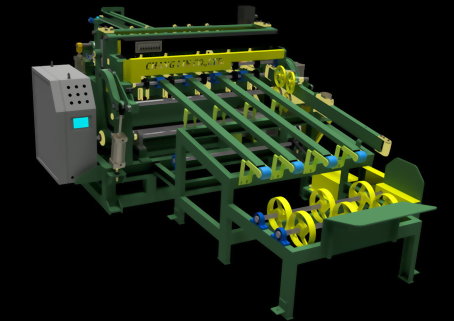
• 精密旋切技術:現代膠合板生產中,使用精密旋切技術將木材切割成更薄且一致的單板,這樣可以提高膠合板的強度和穩定性,同時減少原材料的浪費。
• 多層壓技術:先進的多層壓技術允許在更短的時間內完成多層膠合板的熱壓處理,大大提高了生產效率。這些技術也可以精確控制壓力和溫度,以確保產品的高質量。
3. 環保與低排放技術
• 低甲醛膠粘劑:為了符合環保和健康標準,現代生產過程中越來越多地使用低甲醛或無甲醛的膠粘劑。這不僅能減少產品對環境的影響,還提高了膠合板在建築應用中的安全性。
• 可再生能源使用:許多先進工廠正在轉向使用可再生能源來為生產設備供電,這包括太陽能、風能或生物質能,以降低碳足跡。
4. 改進的膠合與膠水應用技術
• 無接縫膠合技術:這是一種新興的技術,利用更精確的膠水應用系統來實現無接縫的膠合,減少膠水的用量,並提升產品的美觀度和耐用性。
• 膠水噴塗技術:新型膠水噴塗技術使膠水應用更加均勻,從而減少浪費並確保膠合板的每層單板都能被充分粘合。
5. 智能質檢系統
• 影像識別與AI質檢:運用人工智慧(AI)與高精度的影像識別技術,可以實現全自動化的質量檢測,能夠即時發現瑕疵或不合格產品,減少了次品率,並提高了最終產品的質量。
6. 環保資源與材料創新
• 可再生木材原料:現代膠合板生產越來越注重可持續的木材來源,如快速生長的竹材、柳杉等,這些木材在可持續林業管理下能確保資源的長期供應。
• 複合材料的使用:在某些高性能膠合板中,開始引入纖維增強材料或生物基材料來增強膠合板的結構強度和耐用性。
這些技術的應用,讓膠合板的生產過程變得更加高效、環保,同時提升了產品的質量和市場競爭力。
2024 plywood production technology
1. Digitization and Automation Technologies
• Automated Production Lines: Modern plywood factories typically employ fully automated systems, handling all stages from wood processing to final inspection using machines and robots. This reduces the need for manual labor, increases production speed, and ensures consistency.
• Digital Monitoring Systems: Through IoT (Internet of Things) and Industry 4.0 technologies, factories can monitor production processes in real-time, analyze equipment performance data, and adjust production parameters instantly, improving efficiency and reducing waste.
2. Precision Cutting and Laminating Technologies
• Precision Veneer Cutting Technology: In modern plywood production, precision cutting technology is used to slice wood into thinner and more uniform veneers. This improves the strength and stability of the plywood, while minimizing material waste.
• Multi-layer Pressing Technology: Advanced multi-layer pressing technology allows multiple layers of plywood to be processed simultaneously in a shorter time, greatly enhancing production efficiency. The system precisely controls pressure and temperature to ensure high-quality products.
3. Eco-friendly and Low-emission Technologies
• Low-formaldehyde Adhesives: To meet environmental and health standards, manufacturers increasingly use low-formaldehyde or formaldehyde-free adhesives. This reduces the environmental impact and enhances the safety of plywood for use in buildings.
• Renewable Energy Use: Many advanced factories are transitioning to renewable energy sources, such as solar, wind, or biomass energy, to power their production equipment, reducing the carbon footprint.
4. Improved Gluing and Adhesive Application Technologies
• Seamless Bonding Technology: This emerging technology uses more precise adhesive application systems to achieve seamless bonding, reducing adhesive usage and improving the product’s aesthetics and durability.
• Glue Spray Technology: New glue spray technology ensures a more even application of adhesives, reducing waste while ensuring that each layer of veneer is fully bonded.
5. Smart Quality Control Systems
• Image Recognition and AI Quality Inspection: Leveraging artificial intelligence (AI) and high-precision image recognition technologies, automated quality inspection can detect defects or non-conforming products in real-time, reducing the reject rate and improving overall product quality.
6. Sustainable Resources and Material Innovation
• Renewable Wood Resources: Modern plywood production focuses increasingly on sustainable wood sources such as fast-growing bamboo or cedar. These materials, managed under sustainable forestry practices, ensure a long-term supply of resources.
• Use of Composite Materials: In some high-performance plywood, fiber-reinforced or bio-based materials are introduced to enhance the plywood’s structural strength and durability.
The application of these technologies has made plywood production more efficient, environmentally friendly, and competitive in the market while improving the overall quality of the products.